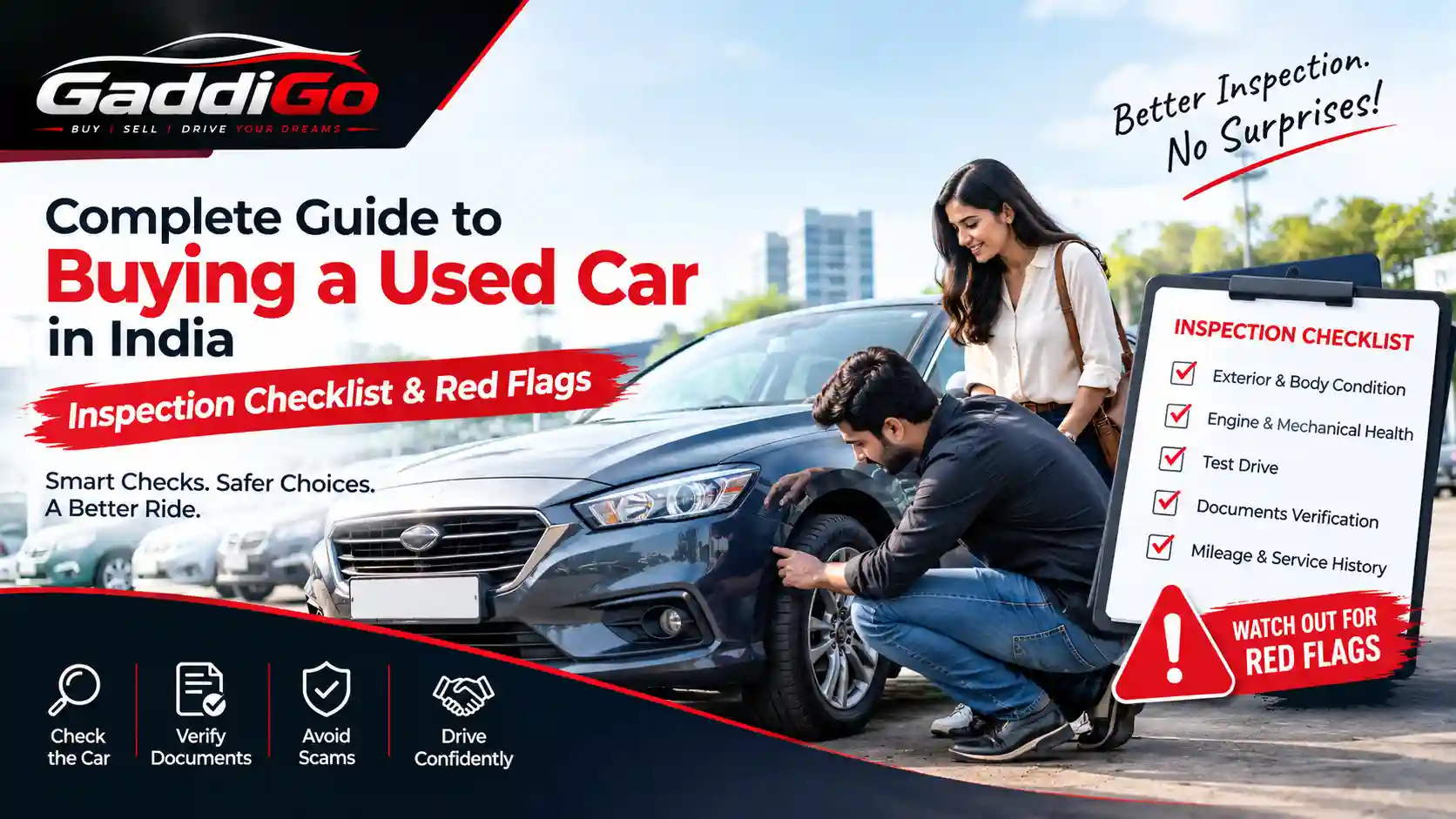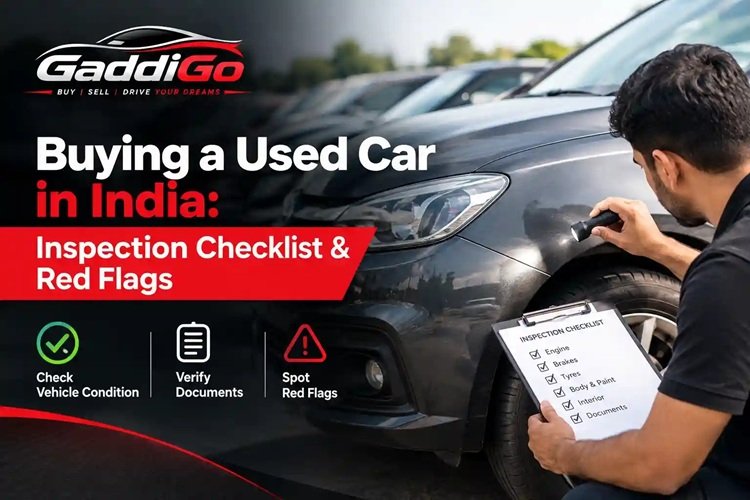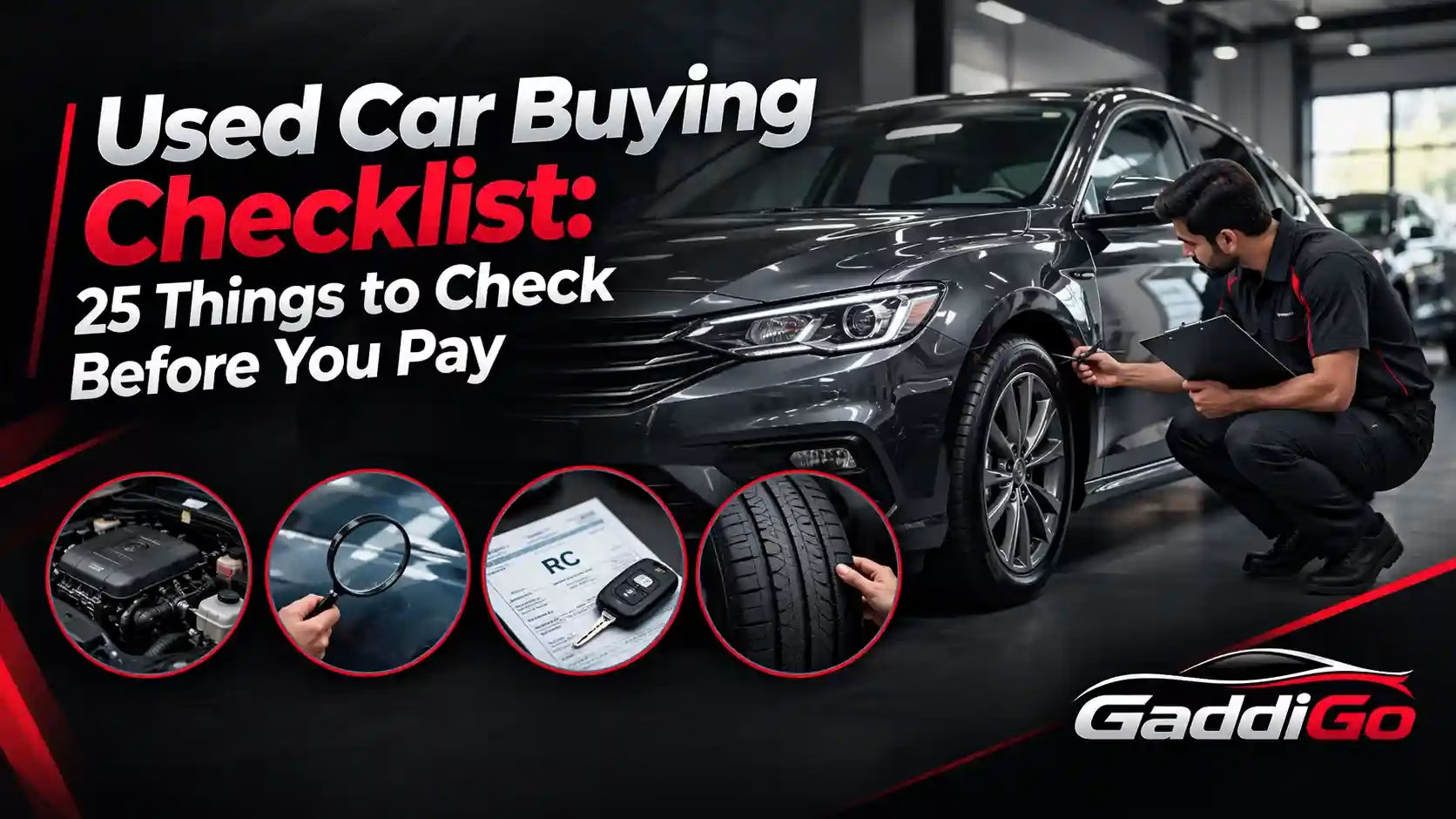
Buying a used car in India can be a smart way to save money while getting a reliable vehicle. However, choosing the right second-hand car requires more than comparing prices, checking mileage, or taking a short test drive.
A car may look clean from the outside but have hidden engine problems, accident damage, pending loans, or incomplete documents. These issues can lead to unexpected repair costs and legal complications after purchase.
Before making a payment, inspect the vehicle carefully and verify its history and paperwork.
This used car checklist covers 25 important things to check before buying a second-hand car in India.
1. Check the Car's Exterior Condition
Start by inspecting the car from every angle in daylight.
Look for:
-
Scratches, dents, and rust
-
Uneven paint or colour differences
-
Gaps between doors, bonnet, and panels
-
Cracks in the windshield
-
Signs of previous body repairs
Uneven panel gaps or paint differences may indicate previous accident repairs. They are not conclusive proof of an accident, but they deserve further investigation.
2. Inspect the Tyres
Tyres can reveal information about maintenance and alignment.
Check:
-
Tread depth and visible wear
-
Cracks or bulges
-
Uneven tyre wear
-
Whether all tyres are of suitable specifications
-
Spare tyre condition
Uneven wear may indicate alignment, suspension, or tyre pressure problems.
3. Check the Engine for Leaks
Open the bonnet and inspect the engine area.
Look for:
-
Oil stains
-
Coolant leaks
-
Wet patches around hoses
-
Damaged wiring
-
Excessive dirt or signs of recent cleaning
A freshly cleaned engine is not automatically suspicious, but ask why it was cleaned and have a mechanic inspect it if necessary.
4. Check Engine Oil and Coolant
Inspect the engine oil and coolant when the engine is cool and according to the manufacturer's instructions.
Check for:
-
Oil level and condition
-
Coolant level
-
Unusual oil or coolant contamination
-
Signs of neglected maintenance
Never open a hot radiator or coolant reservoir. It can cause serious burns.
5. Listen to the Engine
Start the car and listen carefully.
Watch for:
-
Knocking or metallic sounds
-
Excessive vibration
-
Irregular idling
-
Unusual rattling
-
Difficulty starting
A qualified mechanic should investigate unusual engine noises before you proceed.
6. Check the Exhaust Smoke
Observe the exhaust during startup and normal operation.
Persistent unusual smoke may indicate a mechanical issue:
-
Blue smoke can suggest oil burning.
-
Black smoke may indicate excess fuel or combustion problems.
-
Thick white smoke after the engine is warm may indicate a possible coolant-related issue.
Exhaust behaviour varies with engine type and conditions. Have suspicious symptoms professionally inspected.
7. Inspect the Battery
Check the battery for:
-
Corrosion around terminals
-
Loose connections
-
Swelling or damage
-
Battery age, if available
-
Starting problems
Ask whether the battery has been replaced recently and whether the replacement is appropriate for the vehicle.
8. Check the Transmission and Clutch
During the test drive, pay attention to the gearbox and clutch.
For manual cars:
-
Check clutch pedal feel.
-
Look for slipping during acceleration.
-
Check whether gears engage smoothly.
-
Notice unusual vibration or noises.
For automatic cars:
-
Check whether gear changes are smooth.
-
Look for delayed engagement.
-
Notice jerks or warning messages.
Transmission repairs can be expensive, so consider a professional inspection if anything feels unusual.
9. Test the Brakes
Brakes are a critical safety component.
Check:
-
Brake pedal feel
-
Unusual squealing or grinding
-
Vibration while braking
-
Whether the car pulls to one side
-
Parking brake operation
Do not buy a car with unresolved brake concerns without a proper repair assessment.
10. Inspect the Suspension and Steering
During the test drive, check whether the car feels stable.
Look for:
-
Clunking sounds over bumps
-
Excessive bouncing
-
Steering vibration
-
Loose steering response
-
Uneven handling
Suspension and steering issues can affect safety and increase repair expenses.
11. Check the Air Conditioning
Turn on the AC and test it at different fan speeds.
Confirm:
-
Cooling performance
-
Airflow from vents
-
Fan operation
-
Unusual smells or sounds
-
Heating and ventilation controls, where applicable
AC repairs can be costly, particularly if major components need replacement.
12. Test All Electrical Features
Check every available electrical feature.
-
Headlights and high beams
-
Indicators and hazard lights
-
Brake lights
-
Power windows
-
Central locking
-
Infotainment system
-
Parking sensors or camera
-
Wipers and washers
-
Horn
-
Mirrors and adjustment controls
Make sure dashboard warning lights behave as expected during startup and operation.
13. Inspect the Interior
Look closely at the seats, dashboard, and cabin.
Check:
-
Seat condition
-
Dashboard cracks
-
Roof lining
-
Carpet condition
-
Door handles
-
Seat adjustment mechanisms
-
Unusual odours
A heavily worn interior may be inconsistent with the seller's claimed mileage and should prompt further questions.
14. Check the Odometer and Mileage History
Mileage can influence a used car's price, but the displayed reading should not be accepted without question.
Compare the odometer with:
-
Service records
-
Previous inspection reports
-
Available maintenance invoices
-
Interior and pedal wear
-
Vehicle history records, where available
No single indicator proves odometer tampering. If the mileage appears inconsistent, ask for verification.
15. Check the VIN and Chassis Number
Verify the Vehicle Identification Number (VIN) or chassis number on the vehicle.
Compare it with the number recorded in the Registration Certificate (RC) and relevant documents.
Check for:
-
Matching numbers
-
Signs of alteration
-
Damaged or suspicious markings
-
Inconsistencies in the documents
If the identification number appears tampered with, stop the transaction and seek appropriate professional or official assistance.
16. Verify the Registration Certificate (RC)
The RC is one of the most important documents when buying a used car.
Verify:
-
Registered owner's name
-
Registration number
-
Chassis and engine details
-
Vehicle make and model
-
Registration validity
-
Hypothecation or loan details, if any
Use official transport department services where available to verify vehicle information.
17. Check the Insurance
Ask the seller for the current insurance policy.
Check:
-
Policy validity
-
Insurer details
-
Vehicle information
-
Coverage type
-
Relevant claim information, if available
Confirm the process and requirements for transferring the insurance to the new owner.
18. Verify the Pollution Under Control (PUC) Certificate
Check whether the vehicle has a valid Pollution Under Control certificate where required.
Confirm:
-
Certificate validity
-
Vehicle details
-
Emission test information
A valid PUC certificate does not guarantee that the vehicle is mechanically sound, so it should not replace a complete inspection.
19. Check Service and Maintenance Records
Maintenance records can help you understand how the car was cared for.
Ask for:
-
Service booklet
-
Workshop invoices
-
Oil change records
-
Major repair invoices
-
Replacement part records
-
Authorised service history, if available
A well-documented car can be easier to evaluate than one with no maintenance information.
20. Check Accident and Flood Damage History
Ask the seller whether the car has been involved in an accident or exposed to flooding.
Look for:
-
Uneven paint
-
Repaired structural areas
-
Rust in unusual locations
-
Water marks inside the cabin
-
Damp carpets
-
Electrical problems
-
Unusual smells
A professional inspection is especially important if you suspect structural damage or flood exposure.
21. Check for Outstanding Loans or Hypothecation
A car may still have an active loan or hypothecation recorded against it.
Before buying:
-
Check the RC for hypothecation details.
-
Ask whether the loan has been fully repaid.
-
Request relevant lender documentation.
-
Confirm the process for removing hypothecation.
-
Ensure the transfer is handled properly.
Do not pay the full amount based only on a verbal promise that the loan will be cleared later.
22. Check Pending Challans and Legal Issues
Before finalising the deal, check whether the vehicle has outstanding traffic challans or other issues that may affect the transaction.
Use official government services where available.
Ask the seller to resolve outstanding obligations that are agreed to be their responsibility before completing the sale.
23. Take a Proper Test Drive
A test drive is essential before buying a used car.
Drive the vehicle in different conditions where safe and permitted.
Check:
-
Starting performance
-
Acceleration
-
Gear shifting
-
Braking
-
Steering
-
Suspension
-
AC performance
-
Engine temperature
-
Warning lights
If possible, have an experienced driver or mechanic accompany you.
Do not test the car in unsafe conditions or exceed speed limits.
24. Get an Independent Mechanic Inspection
Even if the car appears perfect, arrange an inspection by a qualified mechanic or professional vehicle inspection service.
The inspection may include:
-
Engine and transmission assessment
-
Diagnostic scan
-
Brake and suspension inspection
-
Accident damage assessment
-
Undercarriage inspection
-
Electrical system checks
An independent inspection can help identify issues that are difficult for ordinary buyers to detect.
25. Verify the Final Price and Ownership Transfer Process
Before paying, confirm the final price and transaction terms in writing.
Make sure you understand:
-
Agreed sale price
-
Payment schedule
-
Any outstanding repair or maintenance commitments
-
Seller's responsibility for pending dues
-
RC transfer process
-
Insurance transfer requirements
-
Delivery date
-
Receipt and sale documentation
Use traceable payment methods and keep copies of the transaction documents.
The ownership transfer process may involve forms and procedures prescribed by the relevant RTO. Confirm the applicable requirements through official Parivahan or state transport department services.
Used Car Buying Checklist: Quick Summary
Use this checklist before making your final payment:
-
Exterior and paint condition
-
Tyres and spare tyre
-
Engine leaks
-
Oil and coolant
-
Engine sound
-
Exhaust smoke
-
Battery condition
-
Transmission and clutch
-
Brakes
-
Suspension and steering
-
Air conditioning
-
Electrical features
-
Interior condition
-
Odometer and mileage
-
VIN and chassis number
-
RC verification
-
Insurance
-
PUC certificate
-
Service history
-
Accident and flood damage
-
Loan or hypothecation status
-
Pending challans
-
Test drive
-
Independent mechanic inspection
-
Final payment and transfer documentation
Final Thoughts
Buying a used car can be a rewarding experience when you take the time to inspect it properly. A low price does not always mean a good deal, especially if the vehicle has hidden mechanical problems, incomplete documents, or unresolved financial obligations.
Follow this used car checklist, verify the documents, take a proper test drive, and arrange an independent inspection before paying.
If you are searching for a second-hand car, GaddiGo.com can help you explore available car listings and compare options. Always verify the vehicle's condition, ownership, and documents before finalising your purchase.
Disclaimer: This article is for general informational purposes only. Vehicle inspection and ownership transfer requirements may vary. Consult a qualified mechanic and verify applicable requirements with the relevant transport authority before purchasing a vehicle.